Hormones are the body’s quiet messengers. They travel through your bloodstream and tell your cells when to grow, when to rest, and how to behave. When these signals fall out of balance, your whole body can feel the effect, from your energy and mood to your long-term health. Sometimes those messages need adjusting, either because the body makes too little of a hormone or because certain cells are using hormones to grow in ways we do not want.
That is where hormonal therapy steps in. It has become one of the most trusted tools in modern medicine, helping people manage everything from menopause to serious illnesses. If you have just heard the term from a doctor and feel a little unsure, this beginner’s guide answers what hormonal therapy is and walks you through everything you need to know in plain, simple language.
What Is Hormonal Therapy?
So, what is hormonal therapy? In simple words, it is a medical treatment that changes how hormones behave in your body. It can either add hormones that your body is no longer making enough of, or block and lower hormones that are helping a disease grow. You may also hear it called hormone therapy, endocrine therapy, or anti-hormonal therapy, depending on why it is being used.
The National Cancer Institute describes hormone therapy as a treatment that slows or stops the growth of cancers, such as some breast and prostate cancers, that rely on hormones to grow. On the other side of the spectrum, hormonal therapy is also widely used to replace hormones that naturally decline with age, most commonly during menopause. Same broad idea, very different goals.
How Does Hormonal Therapy Work?
Understanding how hormonal therapy works becomes easy once you picture hormones as fuel. Some cells, including certain cancer cells, need specific hormones like estrogen or testosterone to keep multiplying. In this situation, treatment works by cutting off that fuel supply. It either lowers the amount of hormone the body produces or stops the hormone from attaching to the cells that depend on it. Without their fuel, those cells grow more slowly or stop growing altogether.
In the opposite situation, the body is not producing enough of a hormone. Here, therapy works by topping up the missing supply so the body can function comfortably again. For example, when the ovaries slow down during menopause and estrogen drops, replacing that estrogen can ease the symptoms that follow. So the treatment either takes fuel away or gives it back, always guided by what the patient needs.
Types of Hormonal Therapy
There is no single approach that fits everyone, which is why the types of hormonal therapy vary based on the condition being treated and the person receiving care. Broadly, they fall into two families.
The first family lowers or blocks hormones. This is used mainly in hormone-sensitive cancers. It includes drugs that reduce hormone production, drugs that block hormone receptors so the hormone cannot deliver its message, and in some cases surgery to remove hormone-producing organs like the ovaries or testicles.
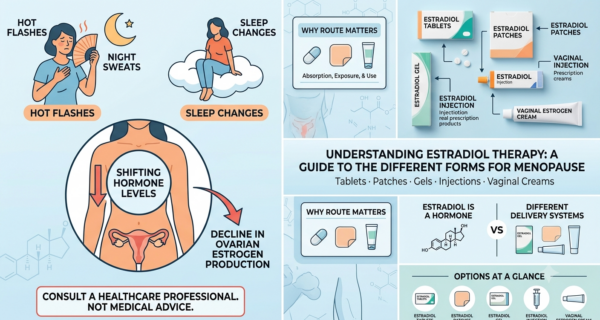
The second family replaces hormones. This is the basis of hormone replacement therapy (HRT), often prescribed for menopause. It usually involves estrogen, sometimes combined with progesterone, and comes in several convenient forms.
Common delivery methods across both families include:
- Oral pills that you swallow daily
- Injections given into a muscle or under the skin
- Skin patches, gels, and sprays that release hormones gradually
- Local treatments such as vaginal creams or rings for targeted relief
Your doctor decides the right type, dose, and form based on your diagnosis, age, and overall health, so no two plans look exactly alike.
Hormonal Therapy Benefits and Risks
Like any medical treatment, this one comes with a balance sheet. Weighing the hormonal therapy benefits and risks honestly is the only way to make a confident decision, and this is a decision to make together with your doctor, not from an article alone.
Benefits:
Hormone therapy can slow or shrink hormone-driven cancers and lower the chance of them coming back. For menopause, it is considered the most effective option for relieving hot flashes, night sweats, and vaginal dryness, and it also helps protect against bone loss (osteoporosis), which becomes more common after estrogen levels fall. The NHS notes that guidance from the National Institute for Health and Care Excellence recommends offering HRT to women with menopausal symptoms because of its effectiveness, and that symptom relief is usually noticeable within a few days to weeks of starting treatment.
Risks:
Risk depends heavily on the type of treatment, the dose, the delivery method, how long it is used, and personal health history. A few points worth understanding:
- Blood clots: Oral HRT tablets carry a small increased risk of blood clots and stroke, particularly in the first year of use. Patches, gels, and sprays, where estrogen is absorbed through the skin, do not appear to carry this same increased clot risk, which is why they are often preferred for people who already have clot risk factors.
- Breast cancer: Combined HRT (estrogen plus progesterone) is associated with a modestly increased risk of breast cancer that generally becomes more noticeable after several years of continuous use, while estrogen-only HRT (typically used by people who have had a hysterectomy) carries a lower or, in some analyses, no increased risk. Any increase in risk tends to decline again after stopping treatment.
- Cardiovascular risk: For women over 60, particularly those who start HRT well after menopause, there may be a small increased risk of cardiovascular disease and stroke.
- Individual variation: Many menopause specialists note that for healthy women who begin treatment before age 60, or within 10 years of menopause onset, the benefits typically outweigh the risks — but “typically” is not “always,” which is why personal screening matters.
A note on evolving guidance: In February 2026, the FDA approved labeling changes to several menopausal hormone therapy products, removing older “boxed warning” language on cardiovascular disease, breast cancer, and probable dementia risk to better reflect current evidence and give a more nuanced picture of benefits versus risks. This is a reminder that hormone therapy guidance evolves as research advances, which is another reason to rely on your doctor’s current, individualized advice rather than older or general information alone.
The key point is that these numbers are individual, not universal, which is why a real conversation with your doctor, including a review of your personal and family medical history, matters so much.
When to Seek Emergency Care
Serious side effects are uncommon, but it’s important to know the warning signs. Seek urgent medical attention if you experience:
- Possible blood clot: sudden, severe pain, swelling, warmth, or redness in a calf or leg; sudden shortness of breath; or chest pain
- Possible stroke: sudden numbness or weakness (especially on one side of the body), confusion, trouble speaking, vision changes, severe dizziness, or a sudden, severe headache
- Possible heart attack: crushing chest pain or pressure, pain spreading to the arm, back, or jaw, shortness of breath, or cold sweats
- Unusual vaginal bleeding: any unexpected or unusual vaginal bleeding while on hormone therapy should always be reported to a doctor promptly
Other Side Effects to Be Aware Of
Beyond the serious risks above, more common and usually temporary side effects can include headaches, breast tenderness, nausea, bloating, mood changes, and fluid retention. These often ease within the first few weeks to months of treatment. For people on hormone-blocking therapy for cancer, side effects can also include hot flashes, fatigue, joint aches, and changes in bone density over time, which is why doctors often monitor bone health during long-term treatment.
Any side effect that is severe, persistent, or worrying should be discussed with your prescriber rather than managed alone.
Who Needs Hormonal Therapy?
Figuring out who needs hormonal therapy depends entirely on the medical reason behind it. It is not a one-size-fits-all treatment, and it is not right for everyone.
People commonly considered for it include those with hormone-sensitive breast or prostate cancer, where the treatment helps control the disease. It is also often discussed with women experiencing disruptive menopause symptoms, and it may be especially valuable for those who reach menopause early or have their ovaries removed, since they face low hormone levels for a longer stretch of life.
At the same time, some people are generally advised against certain forms of it, including those with a history of hormone-sensitive cancers, unexplained vaginal bleeding, active liver disease, or a previous blood clot. This is exactly why hormonal therapy should never be self-prescribed or adjusted without medical guidance. A qualified doctor reviews your full history, weighs your personal risks, and tailors the plan to you.
Final Thoughts
Hormonal therapy is a powerful, well-studied tool that can either restore hormones your body is missing or restrain hormones that are fueling disease. When guided by a professional, it improves quality of life for millions of people around the world. The most important step you can take is an open discussion with your healthcare provider about your symptoms, your history, and your goals.
For trusted information and access to quality medicines, Drugs General is here to support your health journey with clarity and care, always alongside proper medical guidance.
Frequently Asked Questions
Q1. Is hormonal therapy the same as steroids?
Ans. No. Hormonal therapy adjusts natural hormones like estrogen or testosterone to treat medical conditions. It is prescribed and monitored by doctors, and it is very different from anabolic steroids used for muscle building.
Q2. How long does hormonal therapy last?
Ans. It varies widely. Some cancer patients take it for five to ten years, while menopause treatment length depends on symptoms. Your doctor reviews your progress regularly and adjusts the duration as needed.
Q3. Does hormonal therapy have side effects?
Ans. Yes, it can. Side effects depend on the type and dose but may include hot flashes, fatigue, mood changes, or clot risk. Most are manageable with proper medical supervision and follow-up.
Q4. Can men receive hormonal therapy?
Ans. Absolutely. Men often receive hormone therapy for prostate cancer, where treatment lowers testosterone to slow cancer growth. Hormone-related treatments may also be used for other diagnosed hormonal conditions in men.
Q5. Do I need a prescription for hormonal therapy?
Ans. Yes. Hormonal therapy is a prescription treatment that requires medical evaluation. A doctor must confirm your diagnosis, choose the right medicine and dose, and monitor you throughout the entire course of treatment.
References
- National Cancer Institute — Hormone Therapy to Treat Cancer
- NHS — Hormone Replacement Therapy (HRT)
- NHS — Benefits and Risks of Hormone Replacement Therapy (HRT)
- NICE — Menopause: Identification and Management (NG23)
- FDA — Approves Labeling Changes to Menopausal Hormone Therapy Products (2026)
Medical Disclaimer: This article is intended for informational and educational purposes only and should not be considered medical advice. It is not a substitute for professional medical diagnosis, treatment, or guidance. Always consult a qualified healthcare professional before starting, stopping, or changing any hormonal therapy or medication. Individual results may vary, and your healthcare provider can help determine the most appropriate treatment based on your medical history and individual needs.