Estradiol: Understanding Estrogen Therapy and the Different Ways It Can Be Used
A practical guide to estradiol tablets, patches, gels, injections, vaginal estrogen, and the key differences between common estrogen therapies.
Hot flashes. Night sweats. Vaginal dryness. Sleep disruption. Changes in mood and energy.
For many people going through menopause or dealing with low estrogen levels, these symptoms can affect much more than comfort. They can interfere with sleep, work, relationships, and everyday life.
That is where estrogen therapy may become part of a treatment conversation.
But estrogen therapy is not a single product or a single approach. Estradiol can be administered in several different forms, including tablets, transdermal patches, gels, injections, and vaginal preparations. Other estrogen medicines, such as conjugated estrogens and estriol products, are chemically different and may be used for different treatment goals.
Understanding these differences is important before looking at any particular product.
Quick facts about estradiol
Estradiol is the principal form of estrogen produced by the ovaries during the reproductive years.
Estradiol therapy may be prescribed for specific symptoms and conditions associated with estrogen deficiency.
Depending on the product, estradiol may be taken orally, applied through the skin, injected, or used vaginally.
No. Estradiol, estriol, and conjugated estrogens are different preparations and should not automatically be treated as interchangeable.
What exactly is estradiol?
Estradiol is an estrogen hormone. It plays an important role in the reproductive system and also influences several tissues throughout the body.
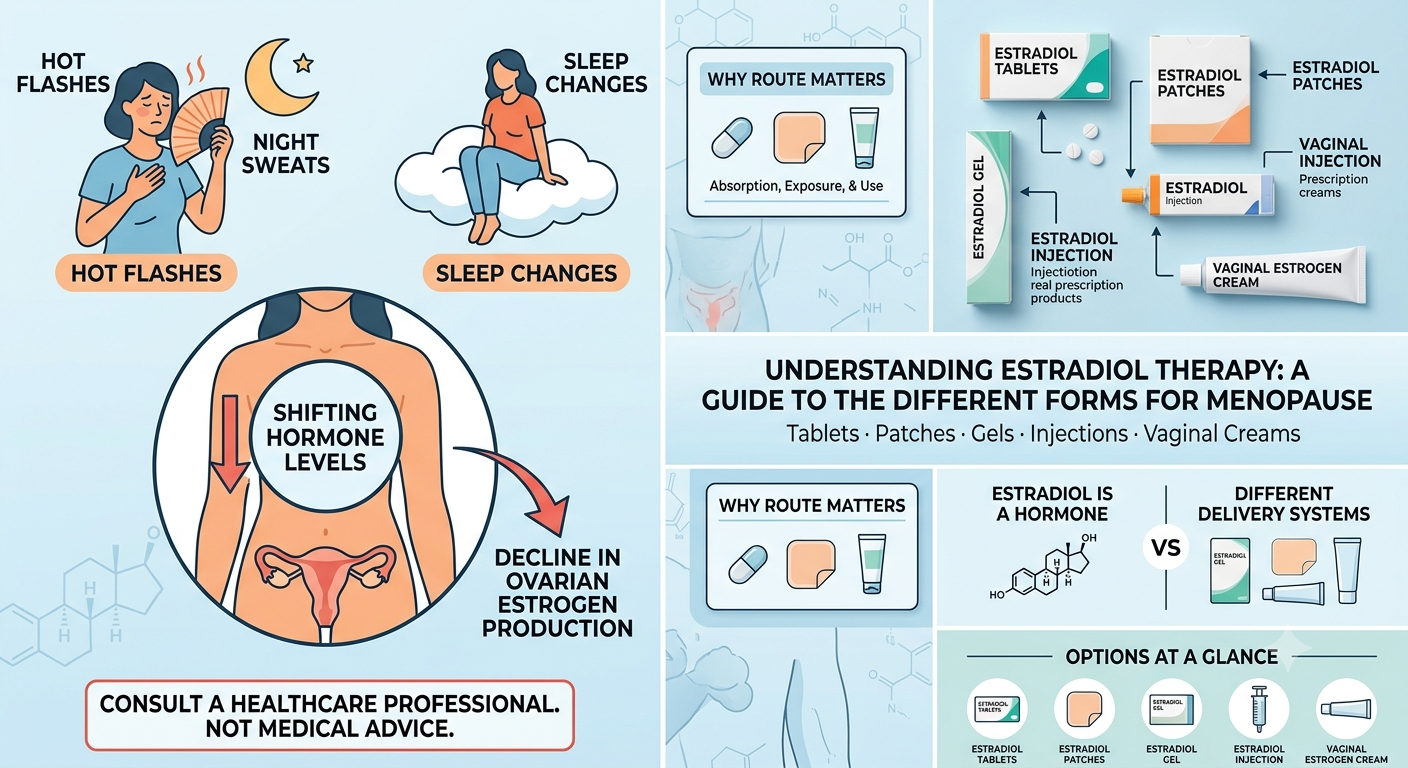
Estrogen levels naturally change throughout life. During menopause, ovarian estrogen production decreases substantially. This change can contribute to symptoms such as hot flashes, night sweats, vaginal dryness, and other changes associated with menopause.
Estradiol medicines are designed to provide estrogen when treatment is medically appropriate.
Estradiol is an estrogen hormone, but not every estrogen medicine contains estradiol. Conjugated estrogens and estriol are different estrogen preparations with their own formulations and clinical considerations.
Why does estradiol matter during menopause?
Menopause involves a natural decline in ovarian hormone production. For some people, the resulting symptoms are mild and temporary. For others, they can be persistent and disruptive.
Systemic estrogen therapy may be considered for appropriate patients experiencing certain moderate to severe menopausal symptoms, particularly vasomotor symptoms such as hot flashes and night sweats.
Local vaginal estrogen products may instead be used when the main concern involves vaginal or vulvar symptoms such as dryness or discomfort.
These are different treatment objectives, which is one reason the route of administration matters.
Estradiol tablets: an oral option
Oral estradiol tablets provide estrogen through the digestive system before it enters the bloodstream.
They are one of the established forms of systemic estrogen therapy and may be prescribed when oral administration is considered appropriate.
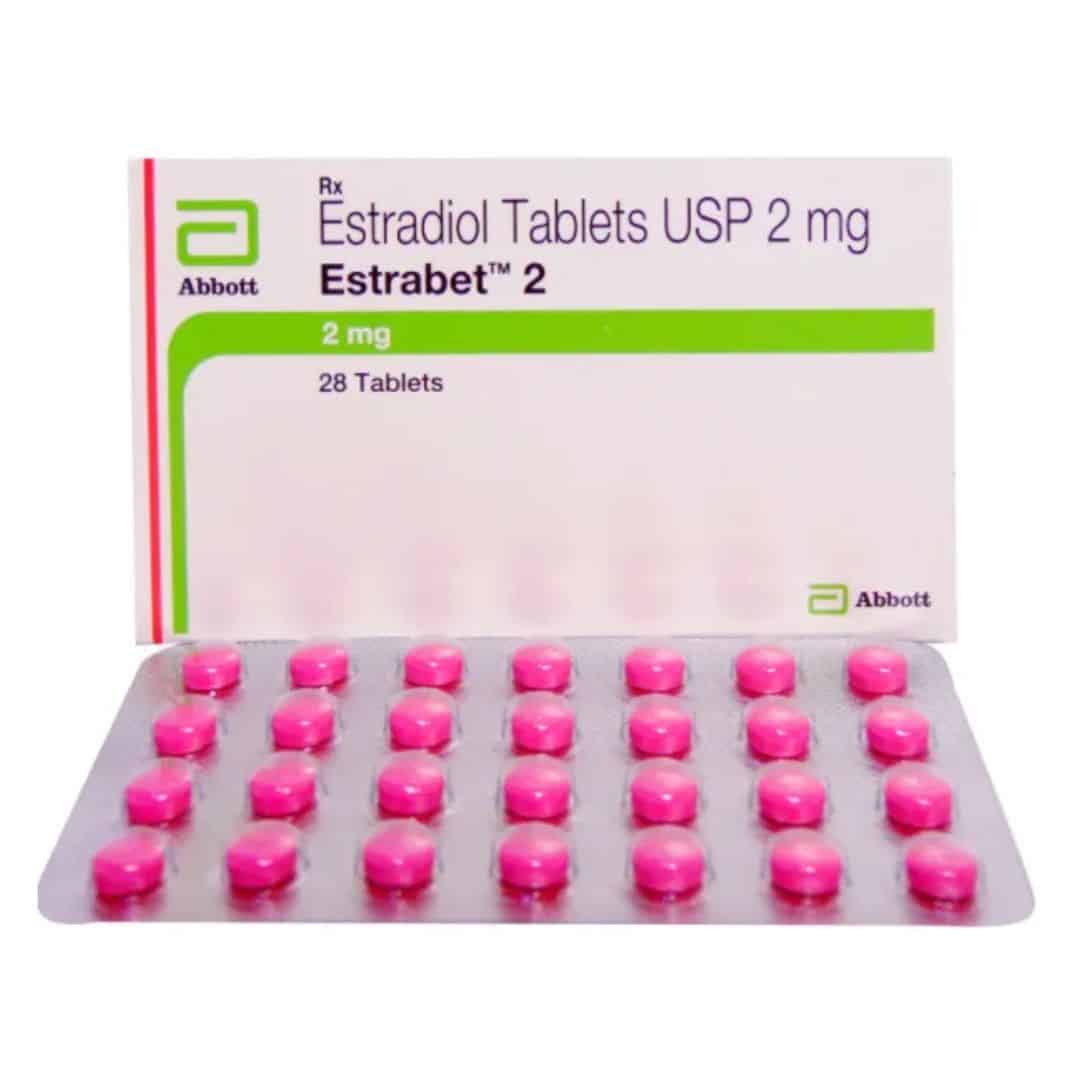
For example, estradiol 2 mg tablets are an oral estradiol formulation. The appropriate dose, however, depends on the individual, the treatment goal, medical history, and the prescribing clinician’s assessment.
Product reference: Estradiol 2 mg Tablet
A higher tablet strength does not automatically mean a better treatment. Hormone therapy is individualized, and the lowest effective dose appropriate for the treatment goal is generally considered.
Estradiol patches: delivering estrogen through the skin
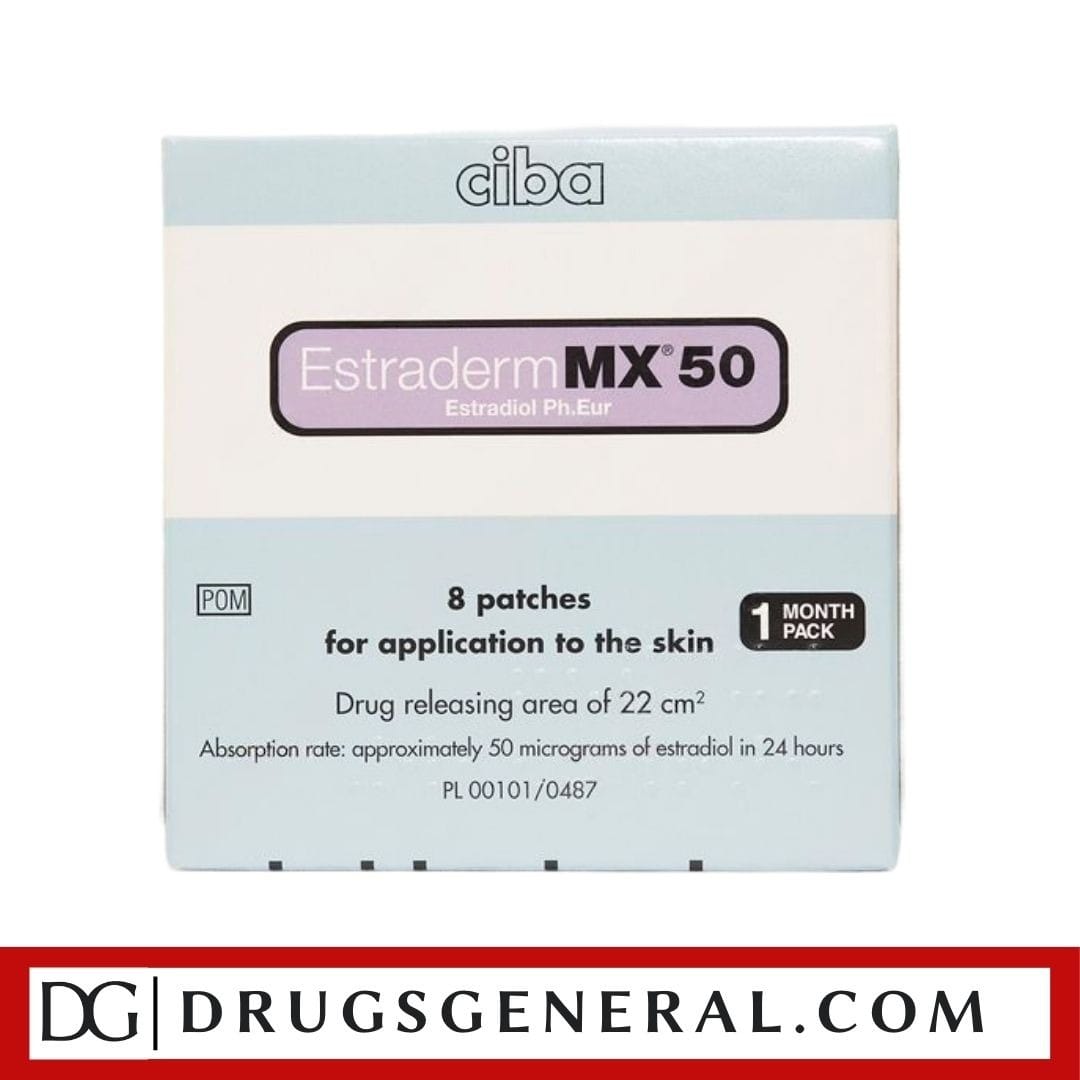
Transdermal estradiol patches are applied to the skin and release estradiol over time.
This route is different from taking an estradiol tablet. Because the medication is delivered through the skin, transdermal therapy has different pharmacokinetic characteristics from oral estrogen.
Estradiol patches may be particularly convenient for people who prefer not to take a daily tablet.
One example is Estraderm MX 50, a transdermal estradiol patch designed to deliver estradiol through the skin.
Product reference: Estraderm MX 50 Patch
Estradiol gel: another transdermal approach
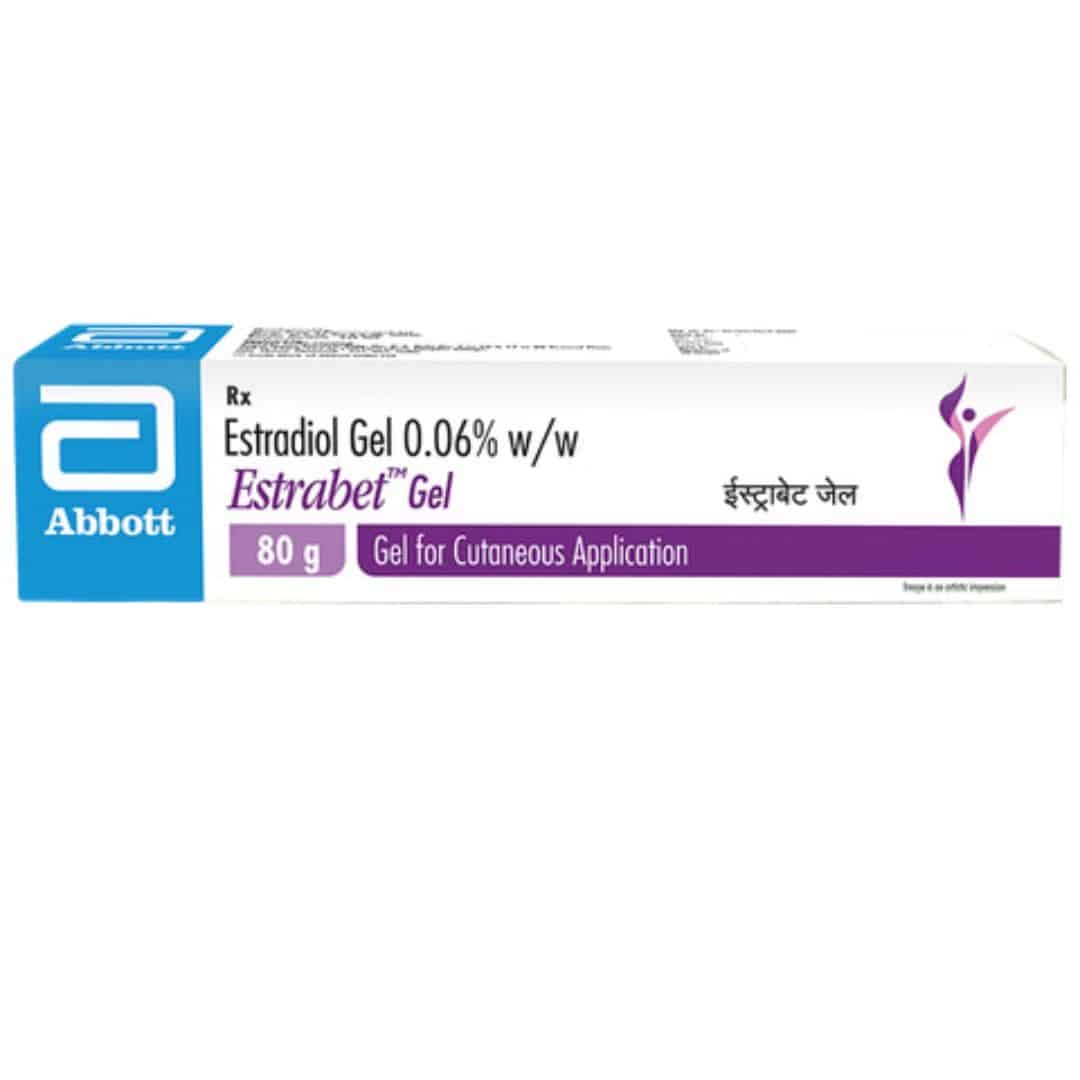
Estradiol gel is another way of delivering estrogen through the skin.
Instead of wearing a patch, the gel is applied to the skin according to the product’s instructions. The estradiol is then absorbed through the skin into systemic circulation.
Estrabet Gel is one example of an estradiol gel formulation.
Product reference: Estrabet Gel
Both are transdermal approaches, but they are not used in exactly the same way. Application instructions, dosing, skin considerations, and product schedules can differ. Follow the specific instructions for the prescribed product.
Estradiol valerate injection: an injectable form
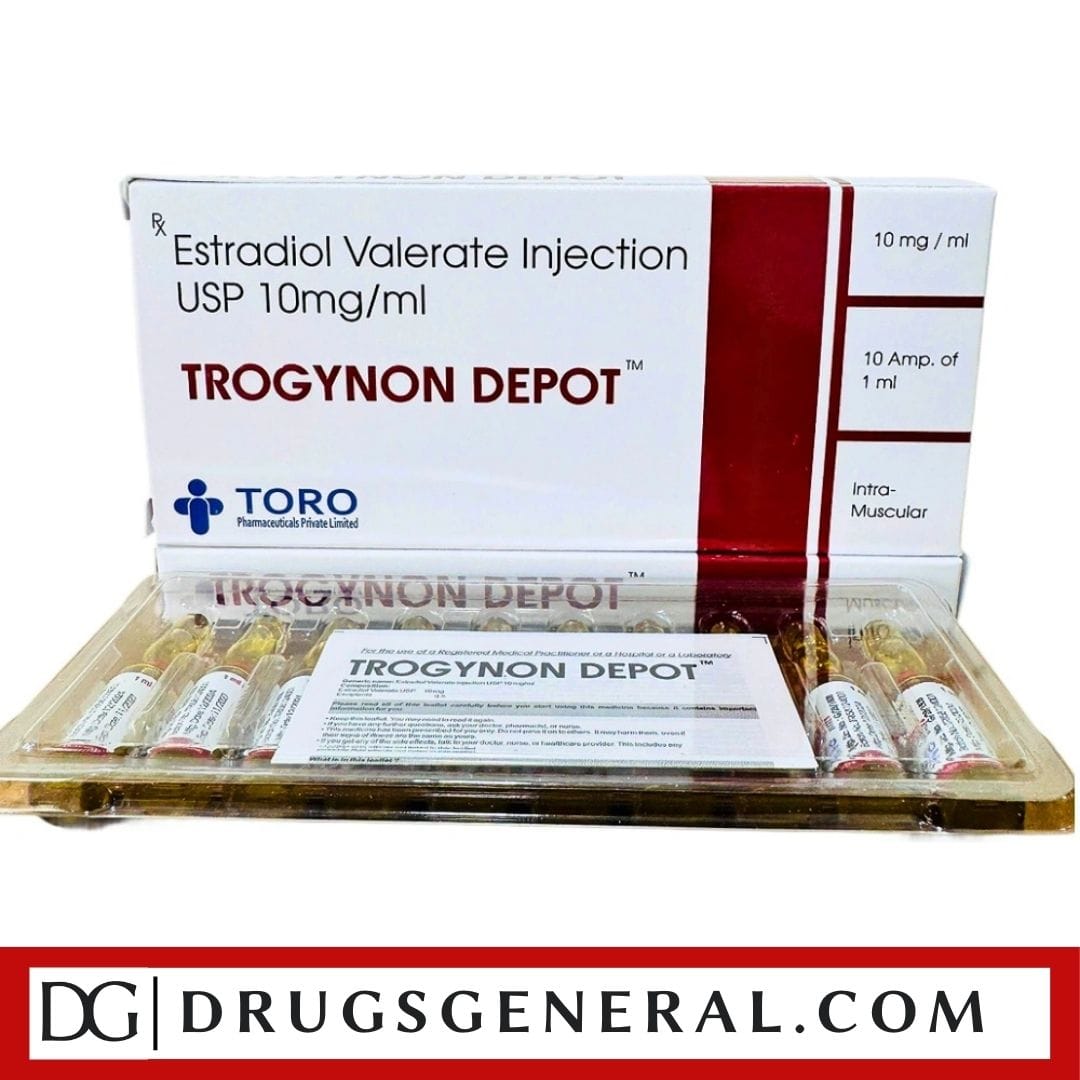
Estradiol can also be formulated as an injectable preparation. Estradiol valerate is an ester of estradiol used in injectable hormone therapy.
Injectable estrogen differs from tablets, patches, and gels because the medication is administered directly into the body rather than absorbed through the gastrointestinal tract or skin.
The dosing interval and administration method depend on the specific formulation and the clinician’s treatment plan.
Product reference: Estradiol Valerate Injection
Because injectable therapy can produce different hormone exposure patterns than daily oral or transdermal treatment, it should be used according to a clinician’s instructions.
What about vaginal estrogen creams?
Not every estrogen treatment is intended to produce the same degree of whole-body exposure.
Vaginal estrogen preparations are commonly discussed when the primary symptoms involve the vaginal or vulvar tissues. These may include dryness, irritation, discomfort, and other symptoms associated with genitourinary changes during menopause.
The treatment approach can therefore be quite different from systemic estrogen therapy intended to address symptoms such as hot flashes.
Estriol cream: how is it different?
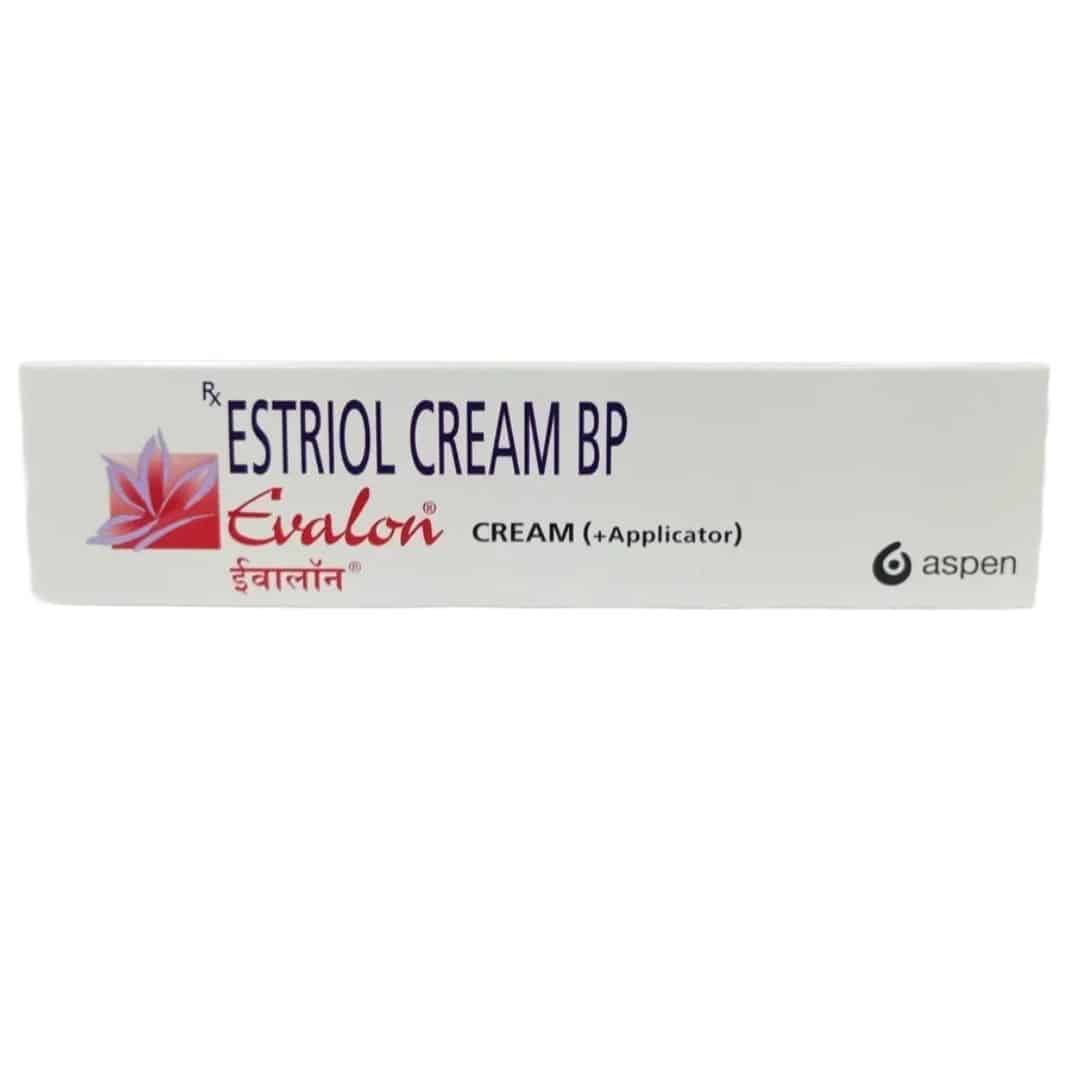
Estriol is another estrogen hormone. It is not the same compound as estradiol.
For example, Evalon Cream is an estriol-based vaginal preparation used in the context of vaginal estrogen treatment.
Product reference: Evalon Cream
The important point is not simply the word “estrogen” on the label. The specific hormone, formulation, route, strength, and intended use all matter.
Estradiol vs estriol vs conjugated estrogens
| Estrogen type | What it is | Common formulations |
|---|---|---|
| Estradiol | A primary human estrogen hormone | Tablets, patches, gels, injections, vaginal products |
| Estriol | A different estrogen hormone | Vaginal creams and other preparations |
| Conjugated estrogens | A mixture of estrogen compounds | Tablets, vaginal preparations, and other formulations |
This distinction is especially important when comparing products marketed under the broad category of “estrogen therapy.”
Conjugated estrogen tablets: where Premarin fits in
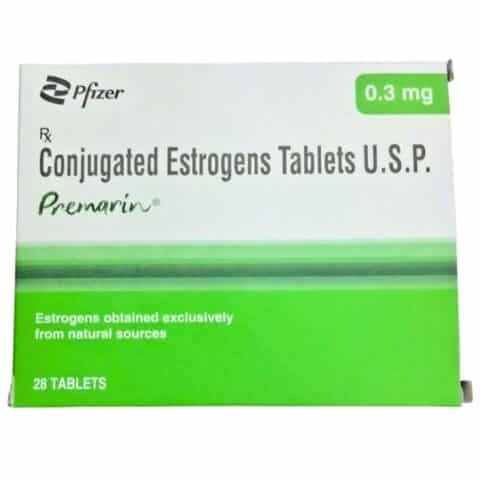
Premarin is a brand associated with conjugated estrogens. It is therefore different from an estradiol tablet.
For example, Premarin 0.3 mg tablets contain conjugated estrogens and represent a different formulation from estradiol 2 mg tablets.
Product reference: Premarin 0.3 mg Tablet
The number printed on one estrogen product cannot automatically be compared directly with the milligram number on another. Different estrogen compounds and formulations have different pharmacology and dosing conventions.
Why are there so many forms of estrogen therapy?
Because patients and treatment goals are different.
One person may prefer an oral tablet. Another may prefer a patch because they do not want to take a daily pill. Someone else may prefer a gel. If symptoms are primarily vaginal, a local vaginal estrogen preparation may be considered instead.
The choice can depend on:
- The symptoms being treated
- Whether systemic or local therapy is appropriate
- Previous response to treatment
- Other medications
- Medical history and risk factors
- Personal preference and convenience
- The specific formulation available
Safety is part of the treatment conversation
Estrogen therapy should not be treated like an ordinary supplement.
Systemic estrogen therapy has important warnings and contraindications. Depending on the patient and formulation, estrogen therapy may affect the risks of blood clots, stroke, cardiovascular events, and certain cancers.
For people who have a uterus, systemic estrogen given without an appropriate progestogen can stimulate the endometrium and increase the risk of endometrial hyperplasia and cancer.
That does not mean estrogen therapy is inappropriate for everyone. It means that the benefits and risks need to be assessed for the individual patient.
Do not start, stop, switch, or change the dose of an estrogen medicine without discussing it with a qualified healthcare professional. Different estrogen products and routes are not automatically interchangeable.
Systemic estrogen vs local vaginal estrogen
One of the most useful distinctions is between systemic and local treatment.
Systemic estrogen enters the bloodstream and can affect tissues throughout the body. Oral estradiol tablets, transdermal patches, gels, and many injectable preparations fall into this broader category.
Local vaginal estrogen is designed primarily to act on vaginal and vulvar tissues. This can make it relevant when genitourinary symptoms are the primary treatment concern.
The right choice depends on the symptoms, treatment objectives, medical history, and clinician assessment.
Common estradiol and estrogen options
Estradiol 2 mg Tablet
Oral estradiol formulation used when systemic estrogen therapy is medically appropriate.
Estraderm MX 50 Patch
Transdermal estradiol option delivered through the skin.
Estrabet Gel
Estradiol gel providing another transdermal route of administration.
Estradiol Valerate Injection
Injectable estradiol valerate formulation used under medical supervision.
Premarin 0.3 mg Tablet
Conjugated estrogen tablet, distinct from estradiol formulations.
Frequently asked questions
Is estradiol the same as estrogen?
Estradiol is a type of estrogen. “Estrogen” is a broader term that can refer to several naturally occurring hormones and medicinal estrogen preparations.
What is the difference between estradiol tablets and patches?
Both can provide systemic estradiol, but the route of administration is different. Tablets are taken orally, while patches deliver estradiol through the skin.
Is estradiol gel the same as an estradiol patch?
Both are transdermal forms of estradiol, but they are different products with different application instructions, dosing schedules, and formulations.
Is estriol the same as estradiol?
No. Estriol and estradiol are different estrogen hormones. An estriol cream should not automatically be considered equivalent to an estradiol product.
Is Premarin estradiol?
Premarin is associated with conjugated estrogens, which are different from estradiol. The two should not be considered identical medicines.
Can estrogen therapy be used without a prescription?
Hormone therapy should be approached as a medical treatment. Whether a particular estrogen product is appropriate depends on the individual’s health history, symptoms, risks, and treatment goals.
The bigger conversation around estrogen therapy
Choosing an estrogen product is not simply about finding the strongest tablet, patch, gel, or cream.
The better question is: What treatment approach matches the person’s symptoms, medical history, and goals?
That may mean systemic estradiol for certain menopausal symptoms, a transdermal option for someone who prefers a patch or gel, an injectable formulation in an appropriate treatment plan, or a local vaginal estrogen product when symptoms are primarily genitourinary.
The formulation matters. The dose matters. The route matters. And the patient’s individual risk profile matters.
The takeaway
Estradiol is one of the most important forms of estrogen used in hormone therapy, but it is not available in just one form.
Tablets, patches, gels, injections, and vaginal preparations provide different ways of administering estrogen. Meanwhile, estriol and conjugated estrogens represent different estrogen preparations rather than alternative names for estradiol.
If you are considering estrogen therapy, the goal should not simply be to choose a product. The goal is to identify the appropriate hormone, formulation, route, and treatment plan for your individual circumstances.
Estradiol therapy comes in several forms, and each has a specific place in treatment. Understanding the differences can help you have a more informed conversation with your healthcare professional.
Medical disclaimer: This article is intended for educational and informational purposes only. It does not replace professional medical advice, diagnosis, or treatment. Estrogen medicines can have important contraindications, warnings, interactions, and risks. Always consult a qualified healthcare professional before starting, stopping, or changing hormone therapy.